

The 2025-2026 season for the Jesuit Robotics team is called Decode. This season’s theme revolves around archaeology and geology. The game is definitely interesting and unique. The entire match consists of two back-to-back phases, a 30-second autonomous phase in which robots are preprogrammed to do certain operations and a 2-minute TeleOp phase in which the robot is controlled by two human drivers with controllers. Also, it is important to note that each match consists of one big goal that is mirrored to both back corner. The goal is to shoot a 5-inch wiffle-ball, called an artifact, into the big goal on each corner of the field. Additionally, at end of the autonomous and the teleOp phase points are awarded for sorting the artifacts in ramp.
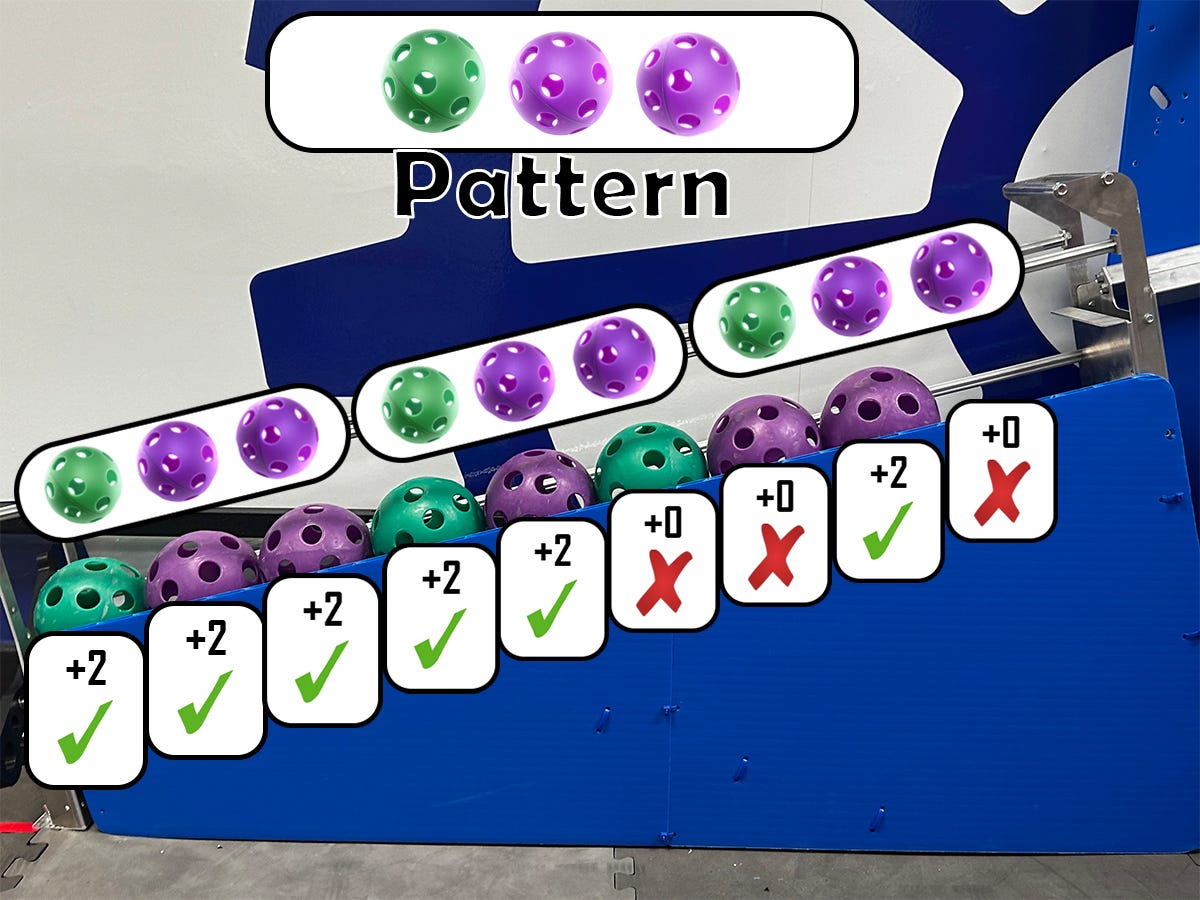
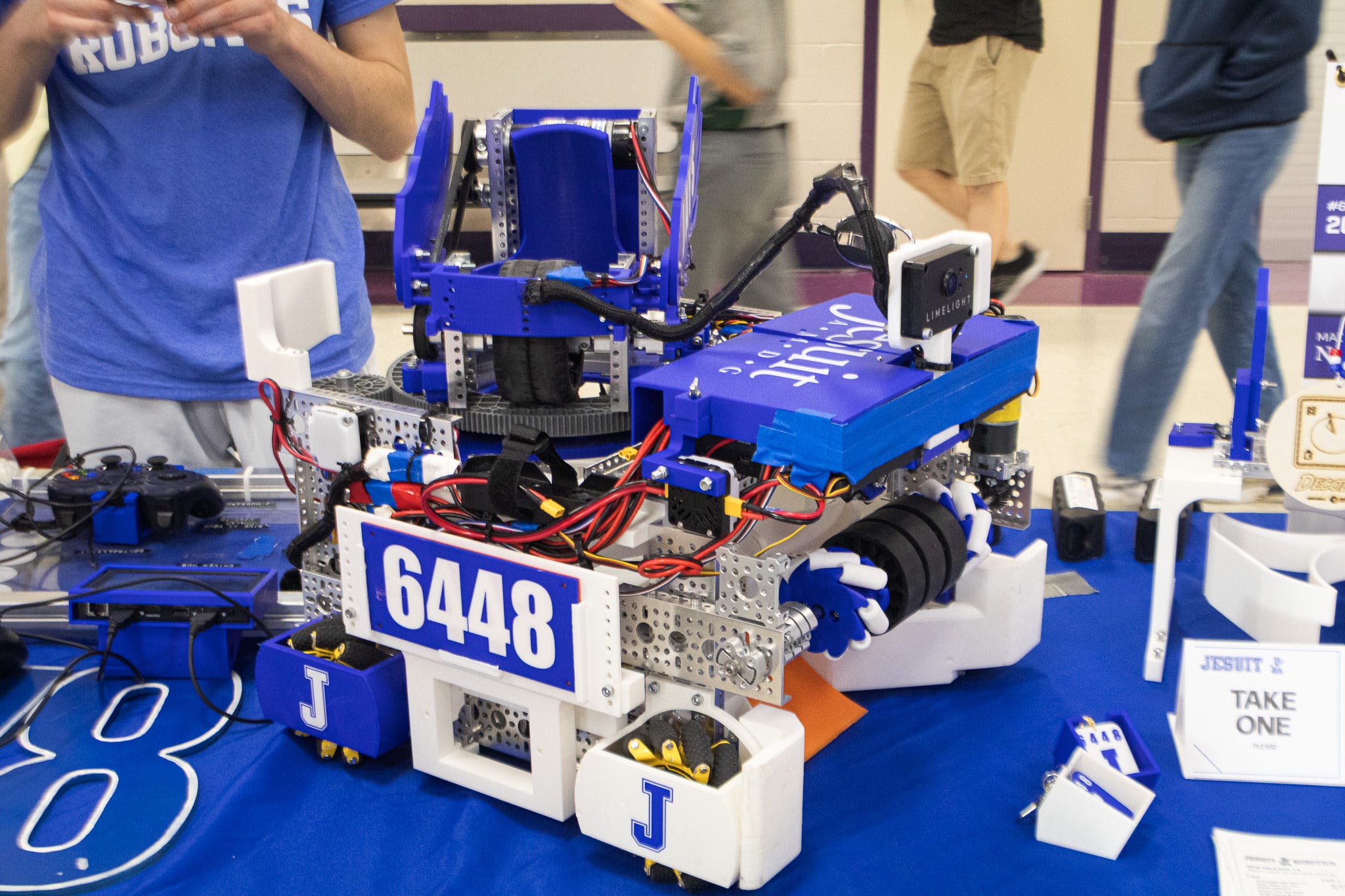
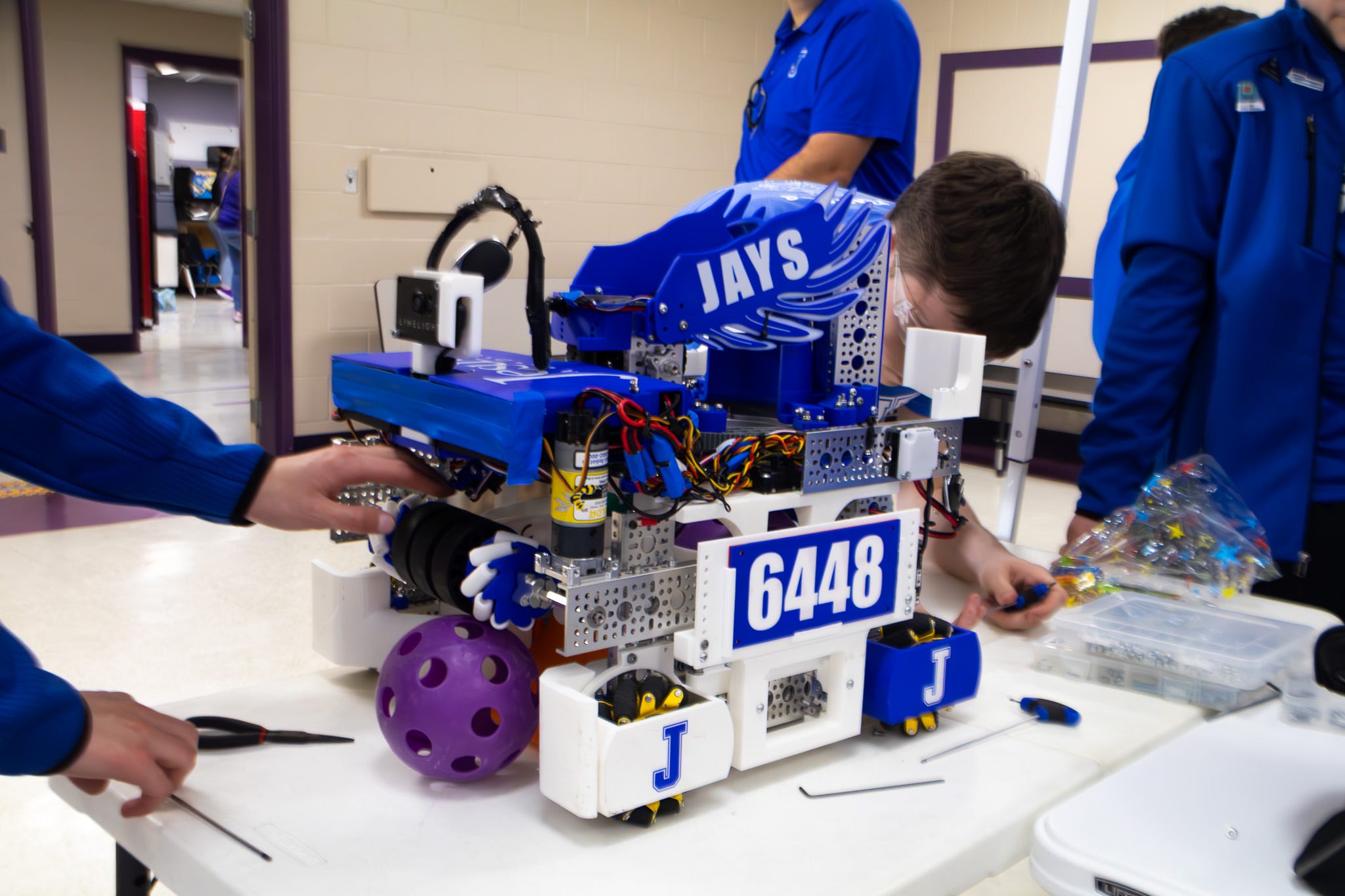
The pattern is randomized at the start of each round. The game also includes a lot of contact relative to prior games. All these factors create a unique game, but since there is only one way to score teamwork is not as necessary. To talk about the bot, it is 18in x 18in roughly 30lbs bot. The bot has an automatic sorter, called a spindexer, a self-aiming turret, as well as a 12in intake for the artifacts. Also, our team number is 6448. This is the same number every year and Jesuit’s is the lowest number because we are the oldest team in the state starting in 2012.
The Blue Jays headed all the way to Denham Springs to compete in the First Tech Challenge Regional Championship. Every year, there are four tournaments, and six teams in each tournament can qualify for state. Jesuit qualified after the first qualifying tournament in December.
The day started out as usual, with the Jays winning their first three matches. The Jays would fail in matches four and five due to their partners’ broken robots. Yet the biggest match, match six, was upcoming, and the robotics team was not looking forward to it. They had to play the 5th and 7th-ranked teams, while their partner was the 15th-ranked team. However, the Jays incredibly managed to win the 2v1 and secured their spot as the 5th-ranked team. The team would finish the qualification matches 4–2.
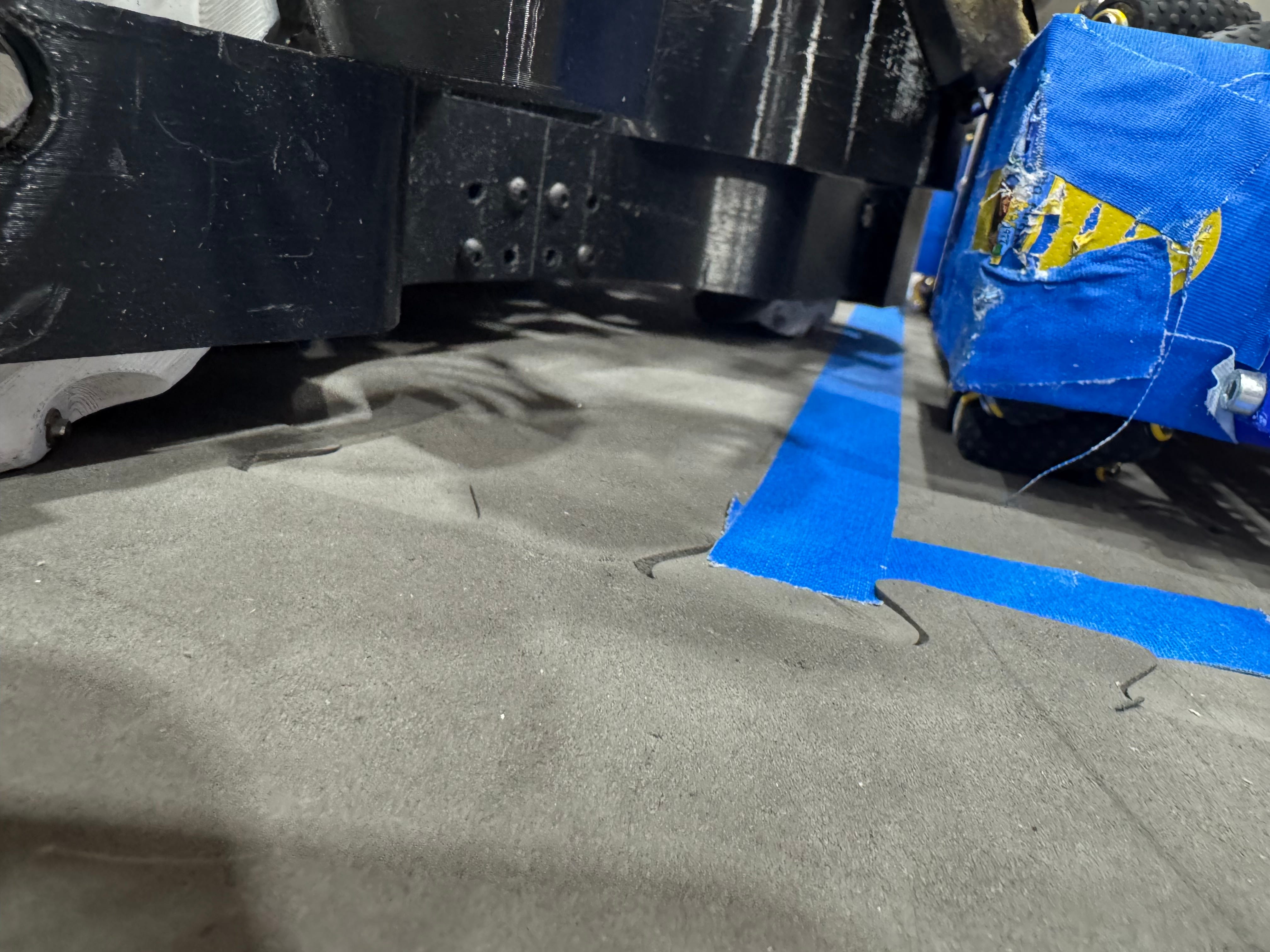
In the drafting phase, teams select another team to create an alliance for the upcoming playoff matches. Jesuit would wind up getting the 4th pick and would pick the Circuit Breakers. Together, the alliance would breeze through the first match. They would then go on to upset the number one seeded alliance in their next match. After that, came the championship game. The Jays kept up with the number two seeded alliance but sadly lost. The loss was so close that if their alliance partner’s bot had moved about half an inch over. If the black robot’s white wheel in the back would have touched the tape, they would have won.
The tournament was not over, though. Each tournament consists of a robot game and a judging and outreach portion. The Jays would win the Inspire Award, the highest award. The Inspire Award is given to the team that does the most community work, shows the most sportsmanlike behavior, and helps the most teams. Some of the robotics team’s outreach events include setting up homemade robotics events in public libraries, mentoring one LEGO robotics team from St. Rita, mentoring two LEGO robotics teams from St. Catherine, and much more. The total time spent on all of this work is about 650 hours of unpaid volunteer work.
At the end of the tournament, points are added up from playoff performance, awards, and a ten-minute presentation to judges that each team completes. Jesuit would place first overall in the competition, winning the Regional Championship.