

By Austin Carriere
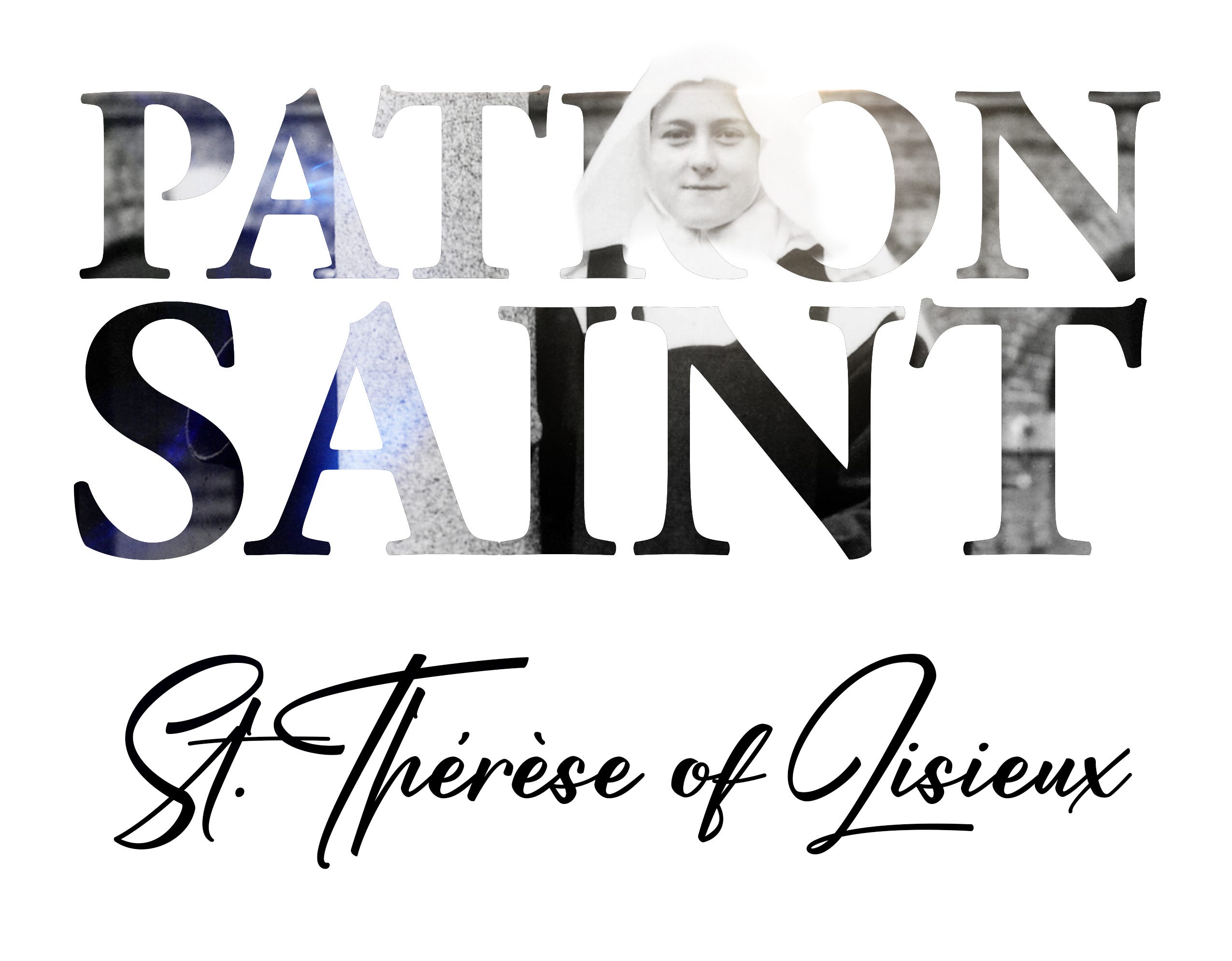
St. Thérèse of Lisieux was a French nun during the late 1800s. She is the patron saint of missionaries and the sick. She is also commonly referred to as the “Little Flower of Jesus.” Her story starts in 1873 in Lisieux, France. Lisieux is a small town in the north of France directly west of Paris. There Thérèse grew up in a very religious household. Sadly, when Thérèse was only four her mother passed away from cancer. Her older sister acted as her new mother until she went into the convent 5 years later. To add to the tragedy, Thérèse would become deathly ill with a fever a few months later. While lying in bed, she would see her sisters pray to a statue of Mary. When ever they prayed, Thérèse would pray along.
One day while she was praying to Mary, Mary smiled back and suddenly her illness was cured. Thérèse felt that she was ready to join the convent like her Pauline and her other sisters. However, when she went to the convent, she was told to leave because she was too young. Unhappy with that answer, Thérèse went to the bishop who similarly said that she was too young. Even that would not stop her.
When she went to Rome on a pilgrimage with her father, she was able to get close enough to the Pope to plead with him to let her join the Carmelites she had to be carried away, but she impressed the Pope’s right-hand man who arranged to get her in the convent she wanted. Her father would eventually have several strokes and be in a horrible state. Thérèse tried to pray but struggled when she thought of her dad. She acknowledged that she could not do any extraordinary things inside the convent, so she committed herself to the small ones.
“Love proves itself by deeds, so how am I to show my love? Great deeds are forbidden to me. The only way I can prove my love is by scattering flowers and these flowers are every little sacrifice, every glance and word, and the doing of the least actions for love.”
-St. Thérèse of Lisieux
Thus, she would smile at everyone, even her enemies. She ate the food she was given without complaint, even the worst leftovers. When she was accused of something she did not do, she still begged for forgiveness instead of arguing. In 1896, she contracted tuberculosis which was deadly at the time. One year later it was so bad she started to write a journal with all her life stories. She died on September 30, 1897, at 24 years old. She herself felt it was a blessing God allowed her to die at exactly that age. She always felt that she was called to be a priest and felt God let her die at the age she would have been ordained if she had been a man so that she would not have to suffer.
Life Application
Today, we can take a little time to notice the small things in our life. First, just notice where you could have been better. Eventually, after you notice you could have been better you will be better the next time. Take time to do the small things in your life. St. Thérèse was riddled with anxiety and struggle her life, yet she found time to do the small things. Listen to your parents without complaining, do the dishes without being asked, and be kind to a person you are not friendly with.
Prayer
O Little Thérèse of the Child Jesus, please pick for me a rose from the heavenly gardens and send it to me as a message of love.
O Little Flower of Jesus, ask God to grant the favors I now place with confidence in your hands. St. Thérèse, help me to always believe as you did in God’s great love for me, so that I might imitate your “Little Way” each day.
Amen
Originally published in The Blue Jay, issue 100.1, on November 12, 2026. This issue covers the first quarter of the 2026–2027 school year.