By Sam Lomansey
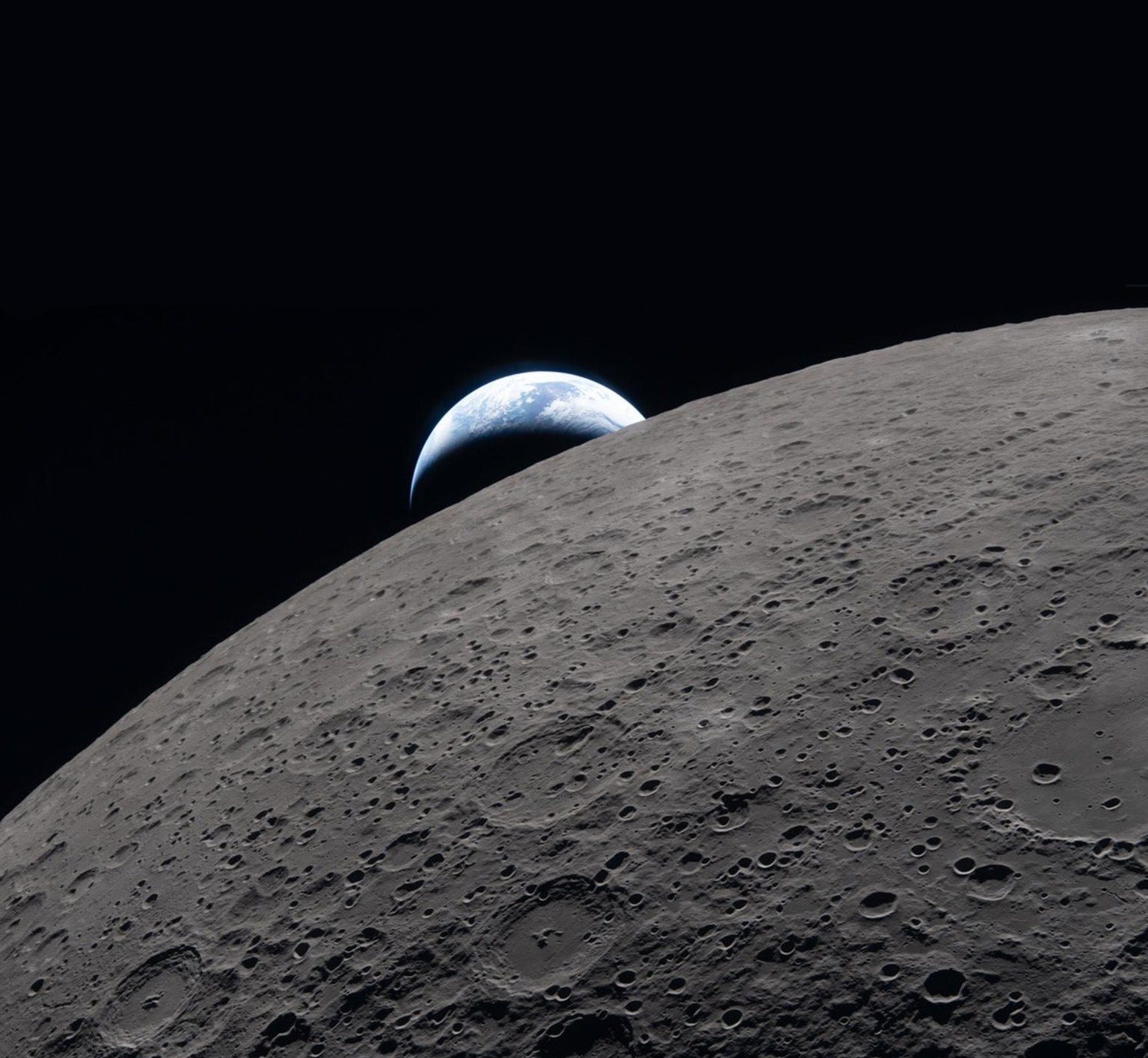
Artemis II was the first mission to leave Earth orbit since Apollo 17 in 1972, and the second mission of the Artemis program. Artemis I, however, was unmanned, making Artemis II the first crewed mission of the series. The mission launched on April 1 at 6:35 P.M. The Artemis II crew travelled 252,756 miles from Earth, beating Apollo 13’s record of 248,655. The mission carried four crew members: Reid Wiseman, Victor Glover, Christina Koch — the first woman to travel beyond low-Earth orbit and to fly on any lunar mission — and Jeremy Hansen. During the 10-day mission, the crew stayed in the Orion capsule, a 330-cubic-foot capsule that maintained a comfortable 75° environment. The crew slingshotted around the moon and captured many photographs of the far side. The purpose of the mission was to test Orion’s life-support systems, SLS rocket performance, and deep-space navigation. The mission splashed down on April 11, 2026, and the entire journey was filmed live and streamed across major news platforms.
For students at Jesuit, the mission was hard to ignore. Sophomore Austin Carriere said he followed the launch closely. “I thought it was a great step forward in the advancement of space travel and I’m excited about the future of space travel. With Artemis II marking the first time humans have left Earth orbit in over fifty years, that kind of reaction was common among students who grew up hearing about the moon landings as ancient history.
Fellow student George Tournilon shared a similar sense of excitement, particularly about what comes next. “We had learned about the Apollo’s missions in my A.P. History class and it was cool to see history being written today.”
The next mission, Artemis III, plans to land on the moon to verify that equipment will function in the lunar environment. After that, Artemis IV and V are expected to begin establishing the first permanent lunar base. Looking further ahead, NASA hopes to use the moon as a launch point to make travel to Mars more feasible. Artemis III is currently expected to launch in 2028.
Originally published in The Blue Jay’s Spring 2026 print edition, issue 99.4.