By Emett Bowler
Have you ever imagined a computer made out of wood?
It sounds impossible, maybe even ridiculous—but it’s real. And it’s just one example of how the future of technology is reframing the conversation of whats possible. The only question now is how will we respond to its transformation.
In April 2023, researchers in Sweden developed the first wooden transistors. That’s right—technology made from nature. This isn’t science fiction. It’s innovation happening in real time, and it shows just how strange and unexpected modern technology can become. Computers are no longer limited to metal and silicon. The boundaries of what technology can be are expanding faster than most people realize.
But wooden technology is only the beginning.
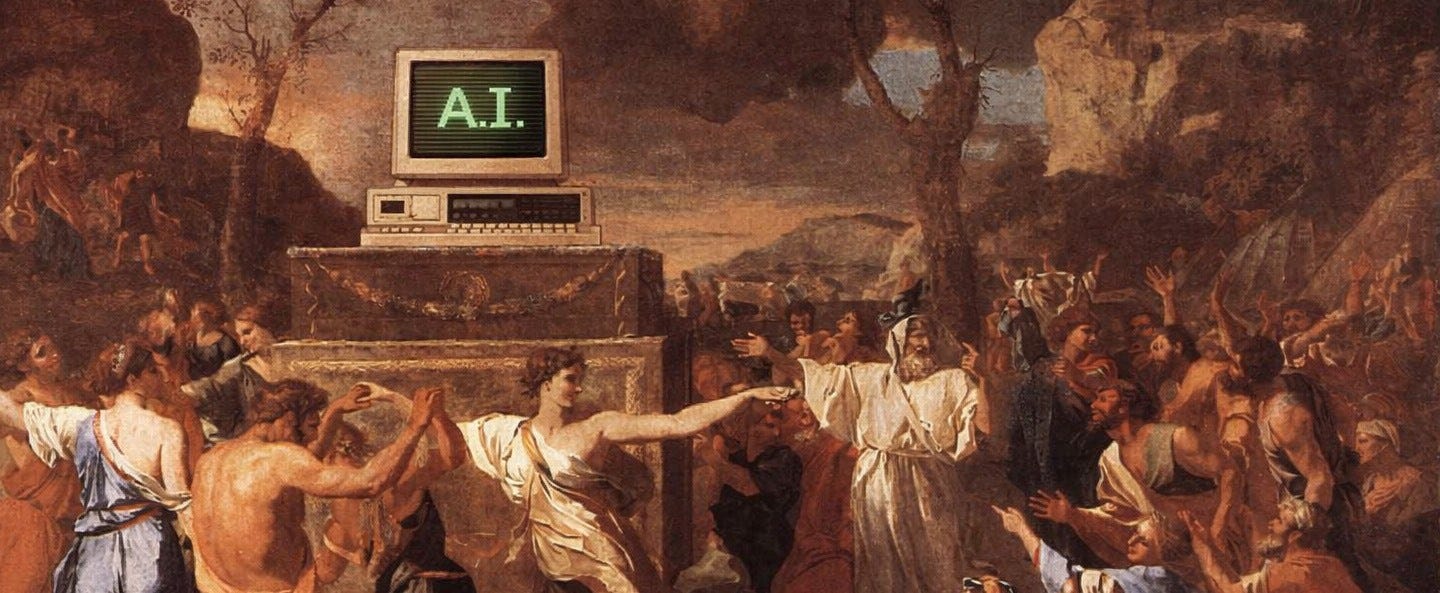
Let’s talk about artificial intelligence, a tool many of us use every day, sometimes without even realizing it. AI learns from us, adapts, and improves with every interaction. It can help write, search, calculate, and organize information faster than we ever could alone. However, it remains exactly what it should be: a tool.
The concern is not that AI exists—the concern is how we use it. When we rely on it to assist thinking, it makes us more capable. When we rely on it to replace thinking, it makes us weaker. Technology has always extended human ability. Calculators extended math. The internet extended memory. AI should extend reasoning, not replace it. We do not want to hand over decision-making or creativity to machines and treat them as human. They are instruments, not minds.
Now let’s go even deeper into the world of quantum computing. It doesn’t just sound fast—it is fast, fast enough that it could outperform even the most brilliant human calculations. People like William James Sidis, often described as more intelligent than Albert Einstein, might still be no match for what quantum computers could eventually process. In February 2025, Microsoft announced a quantum computer smaller than a TI-30 calculator, representing a massive leap forward: enormous computational power in an incredibly small device.
Agencies such as the CIA, FBI, and NSA are already exploring quantum systems to solve problems traditional computers cannot handle. Some of these systems rely on experimental components such as Majorana-based chips. This is not a far-off dream—it is already happening.
Another breakthrough in computing is helping scientists do something that once seemed impossible: map an entire brain. Researchers recently created the first complete three-dimensional digital map of an adult fruit fly brain. The project included more than 130,000 neurons and over 50 million synaptic connections, which created a digital map of how the fly’s brain works. Scientists were able to “turn on” the fly’s brain in the simulation.
In the 3-D world the fly began to act just as fruit fly would in real life. While a fruit fly brain is far simpler than a human one, this research shows how technology is closer than ever to fully understanding how complex brains work and could be applied to human in the future.
All of this may sound futuristic, but we experience the impact of computing power every day, especially in something familiar: What may sound futuristic is actually something we experience every day, especially in gaming. The debate between PC and console is really a small-scale example of how technology keeps evolving.
PCs are usually more powerful and flexible. They can support a wider range of games, their parts can be upgraded over time, and many console-exclusive games eventually end up on PC platforms like Steam.
Consoles take a different approach. Systems like the PlayStation 5 and Xbox Series X are built for simplicity, letting players jump in right away without worrying about upgrades or complicated settings.
In that sense, the PC-versus-console debate reflects a much bigger question in technology:
In the end, PCs may be more powerful, but consoles are more convenient.
So what’s the point of all this? Why should we care about wooden circuits, artificial intelligence, quantum computers, and even gaming platforms? Because technology is ultimately a means to an end. The growing computing power of our world is not valuable by itself—it is valuable only in what it helps humans accomplish.
If we ignore new technology, we fall behind. If we worship it, we lose control of it. The goal is to direct it. We use machines to solve problems, not to define our thinking, our creativity, or our judgment. Artificial intelligence should assist human intelligence, not become a substitute for it.
It all depends on how much we use it. A.I. is clearly not all bad. It is a tool, and one we should use. But in some cases, it can also make us less human. If you rely on it for everything, you can lose the ability to think for yourself. Over time, it can begin to erode your sense of self and the things that make you who you are.
Technology always forces choices between power and simplicity, convenience and control, automation and skill. Don’t just scroll past headlines about AI or quantum computers. Don’t be afraid of the future. Be part of it. Question it. Learn from it. Push it in the right direction. Because whether we like it or not, the future is already here—and it’s up to us what we do with it.
Originally published in The Blue Jay’s Winter 2026 print edition, issue 99.3.